
Getting your bike set up properly can be the difference between feeling tired and battered after a few kilometres and thoroughly enjoying the ride. A well-adjusted bike suddenly rolls better and makes you feel stronger. You might put it down to fitness, when a handful of small setup changes are really behind it. Many riders miss out on what their bikes can offer simply by overlooking these details.
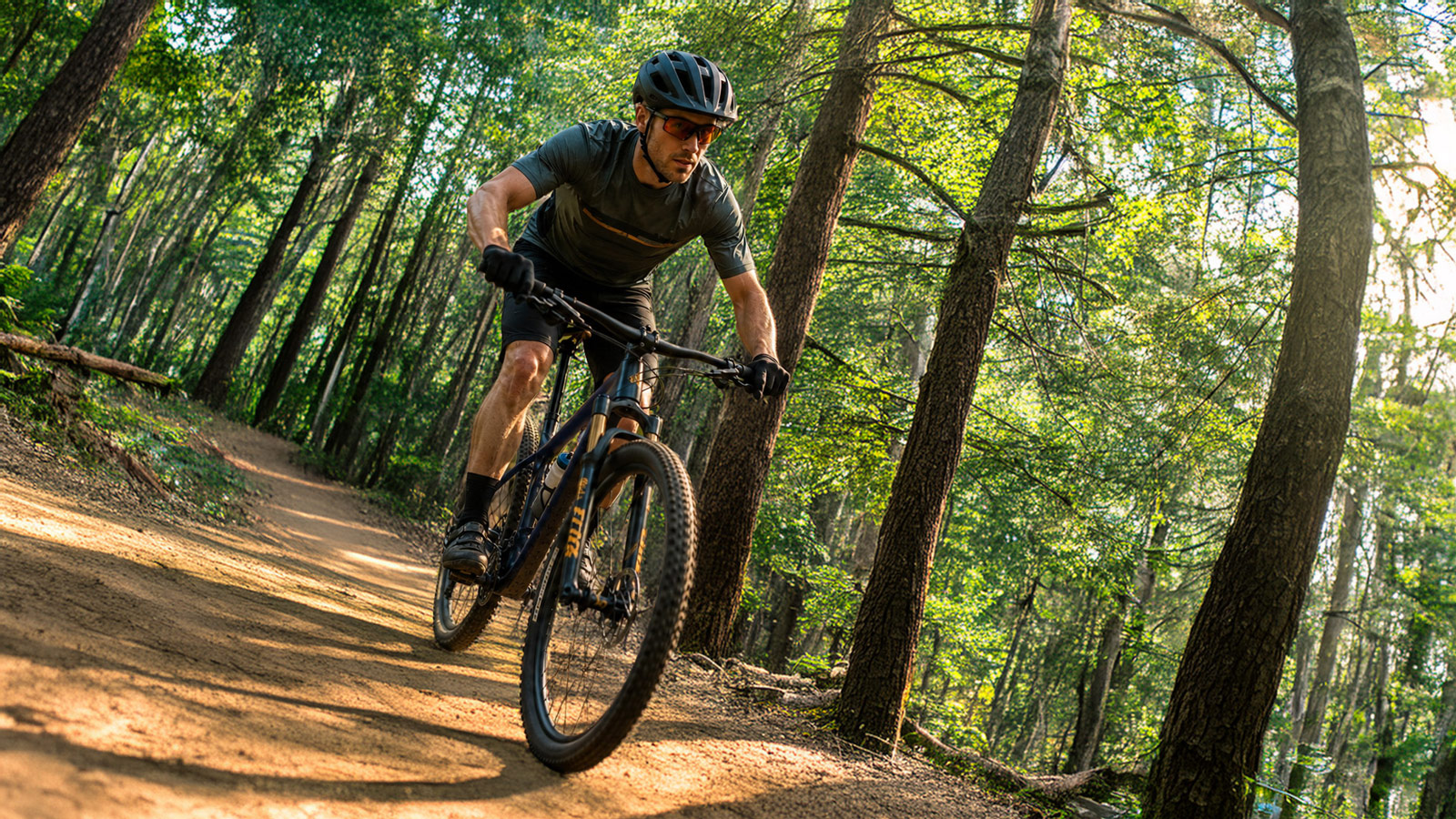
A good bike setup often improves ride feel more than expensive components.
Adjustment 01 · Tyres
Harder tyres don’t necessarily make you faster
One common misconception is that more tyre pressure always means more speed. Some riders therefore inflate almost to the maximum printed on the sidewall. But ordinary roads and cycle paths aren’t perfectly smooth. Their many small bumps can cause an overinflated tyre to skip across the surface. The resulting vibration and tiny bounces reduce contact with the ground and can slow you down. A harder tyre doesn’t necessarily mean a faster ride; it can have the opposite effect.
Higher pressure doesn’t automatically make a bike more comfortable or sportier, either. More vibration reaches your hands, back and the rest of your body. On longer rides, fatigue arrives sooner, often without an obvious explanation. Less vibration generally means greater comfort and less fatigue.
The other extreme is no better: inflating your tyres at the start of the season and then forgetting about them. Pressure changes with temperature, and air gradually escapes. Too little pressure allows the tyre to deform excessively, leaving the bike feeling sluggish and wasting some of your pedalling effort.
A practical starting point: check the pressure range printed on the tyre sidewall. For more accurate inflation, use a pump with a pressure gauge or a modern rechargeable mini compressor that lets you set the pressure you want.
My experience
I was sceptical about lower pressures at first. Although I ride mostly on roads and cycle paths, I eventually settled at around 2.3–2.5 bar on my XC bike. The result surprised me. It’s more comfortable and tracks better. With the option to lock out the suspension, I gradually stopped using my gravel bike altogether. The XC bike rolls willingly on tarmac; when a forest track or dirt road appears, I can open the suspension in a moment and enjoy a different level of comfort.
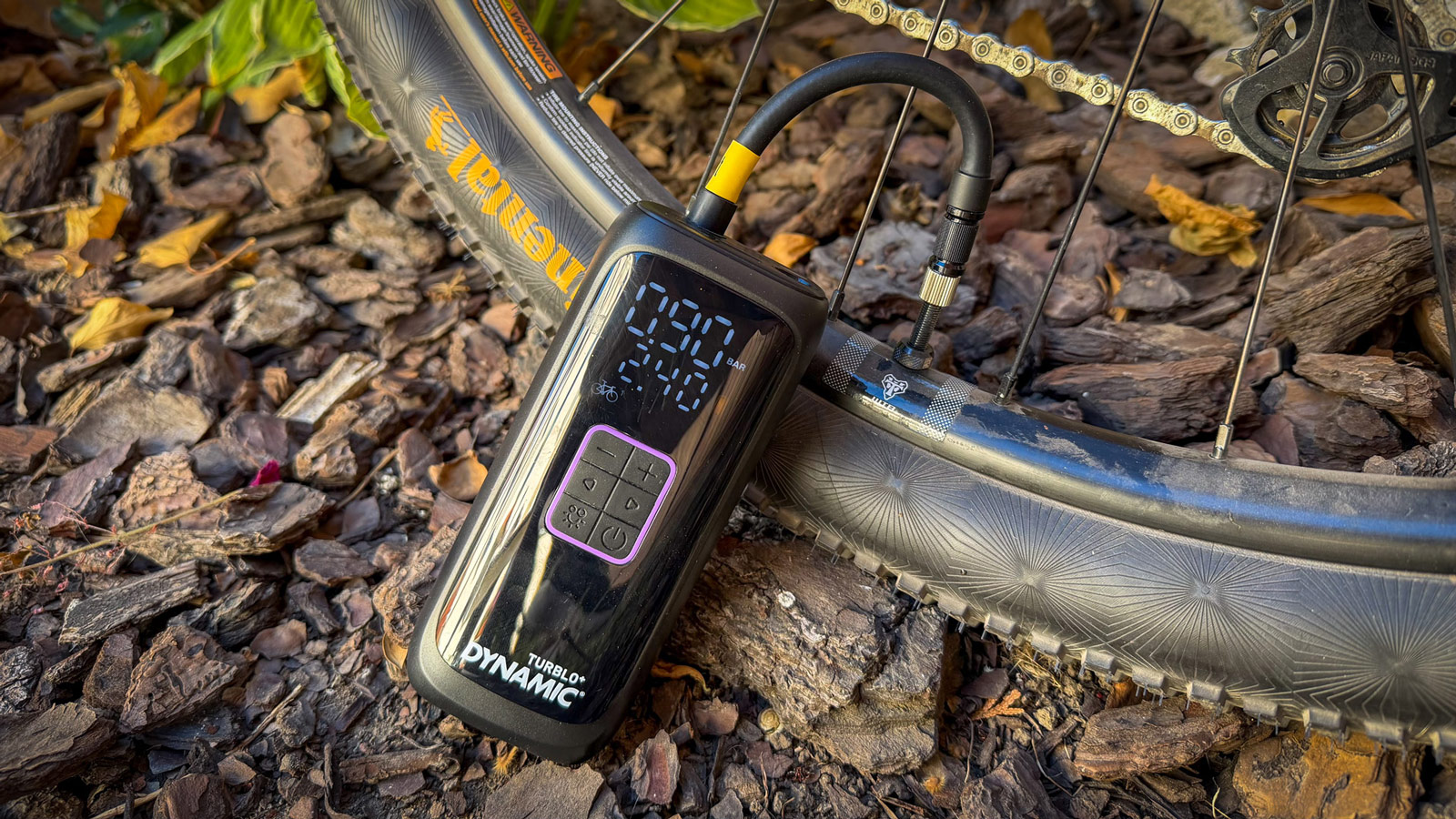
The right tyre pressure improves comfort, confidence and riding efficiency.
Adjustment 02 · Suspension
Well-adjusted suspension can make a bigger difference than upgraded components
Start with sag: how far the suspension settles under your weight when you sit still on the bike. For a fork, this is typically around 15–25% of its travel, depending on the bike and your riding style. You adjust it by changing the pressure in the air chamber with a dedicated high-pressure shock pump. The rubber O-ring on the fork stanchion helps you measure it.
A fork inflated by guesswork or set up for someone else won’t perform as intended. Too firm, and it won’t use its travel effectively, sending impacts into your hands. Too soft, and it sinks too far, bobs and feels less controlled off-road. Setting sag for your own weight takes just a few minutes, and you can feel the difference immediately.
Rebound and compression adjustments matter too, but they deserve an article of their own. We’re mainly discussing air suspension here: cheaper coil-sprung forks offer fewer adjustment options.
Prefer us to handle it? We can set up your suspension for your weight in our workshop. Bring your bike and tell us where you usually ride. If you buy a bike from us, this is part of our pre-delivery setup.
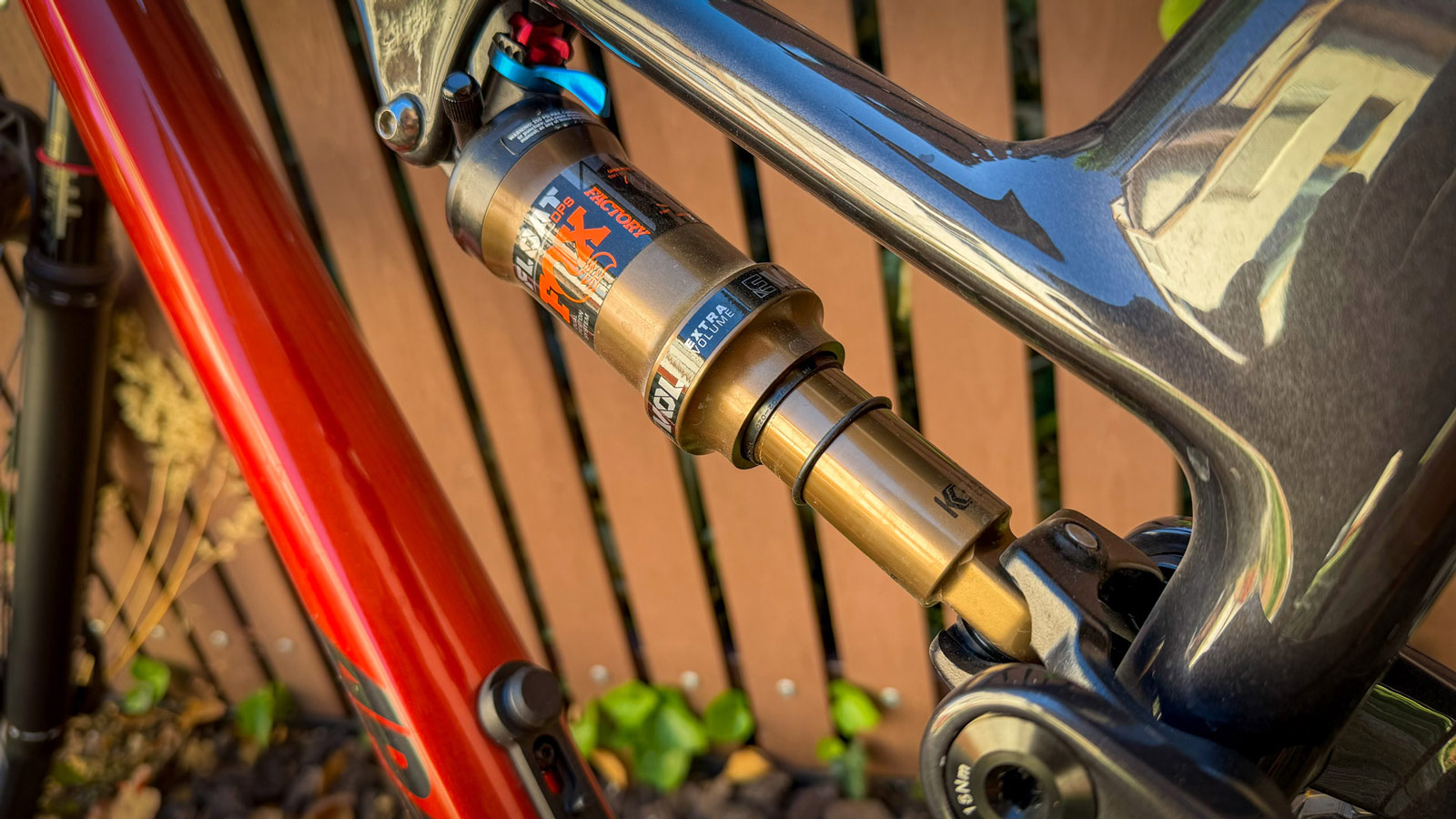
Properly adjusted suspension improves control and reduces fatigue off-road.
Adjustment 03 · Lockout
Using suspension lockout can save a surprising amount of energy
On firm surfaces, locking the suspension or switching to a firmer mode can help, if your bike offers that option. You’ll notice it in practice: the bike bobs less, feels livelier and saves you energy on longer rides. When the trail gets rough, one click lets the suspension work freely again. A one-second adjustment can make a surprisingly big difference.
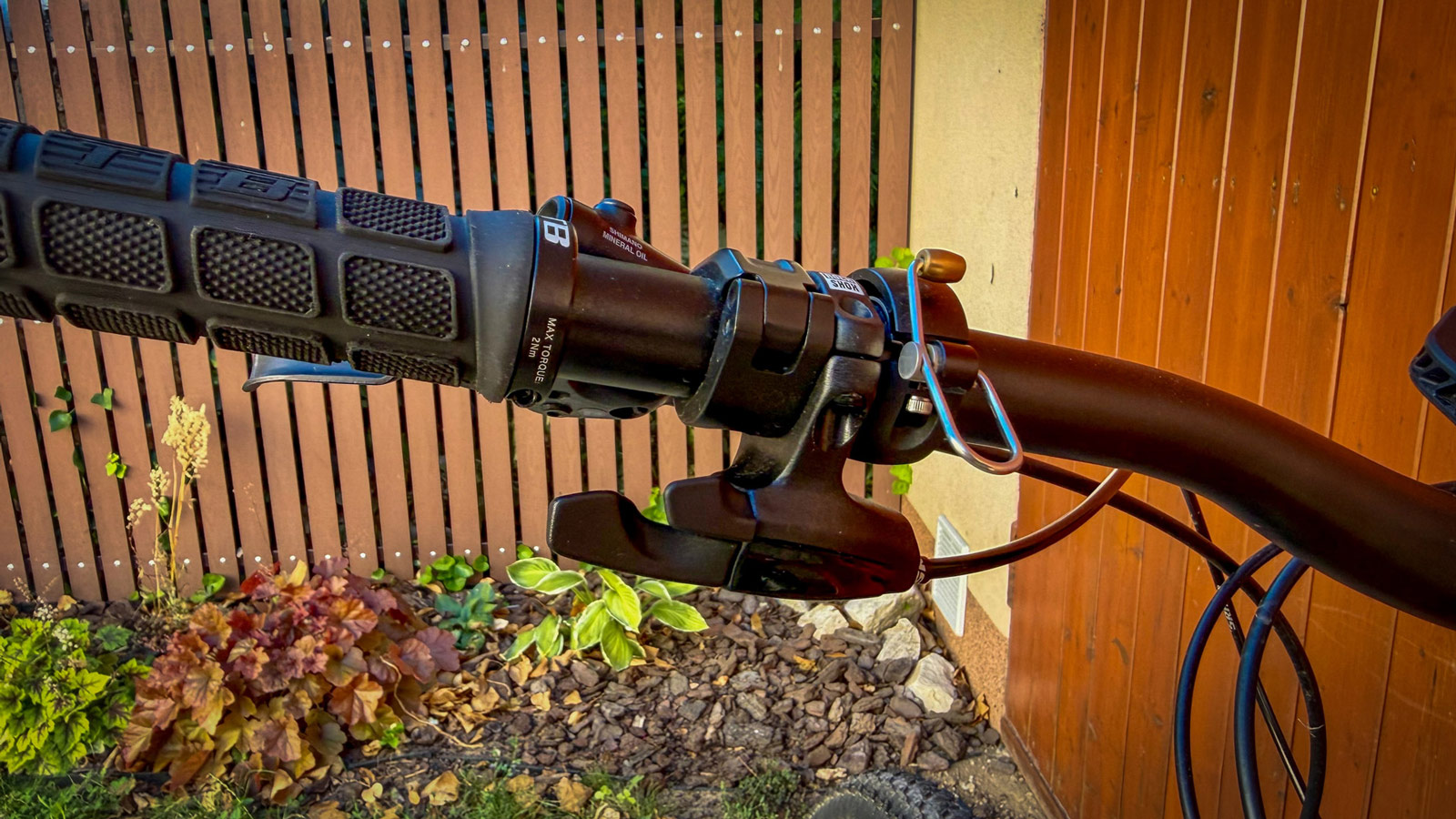
Suspension lockout is particularly useful on tarmac, cycle paths and climbs.