
We see it regularly in the shop. Put a child on a light, easy-to-handle bike and they soon grow in confidence and start enjoying themselves. A heavy or awkward bike can make those early rides unnecessarily difficult. A better-quality children’s bike pays you back through a child who wants to ride more, gains confidence sooner and uses less effort. Once they look forward to getting on the bike, longer outings become much easier to enjoy together.
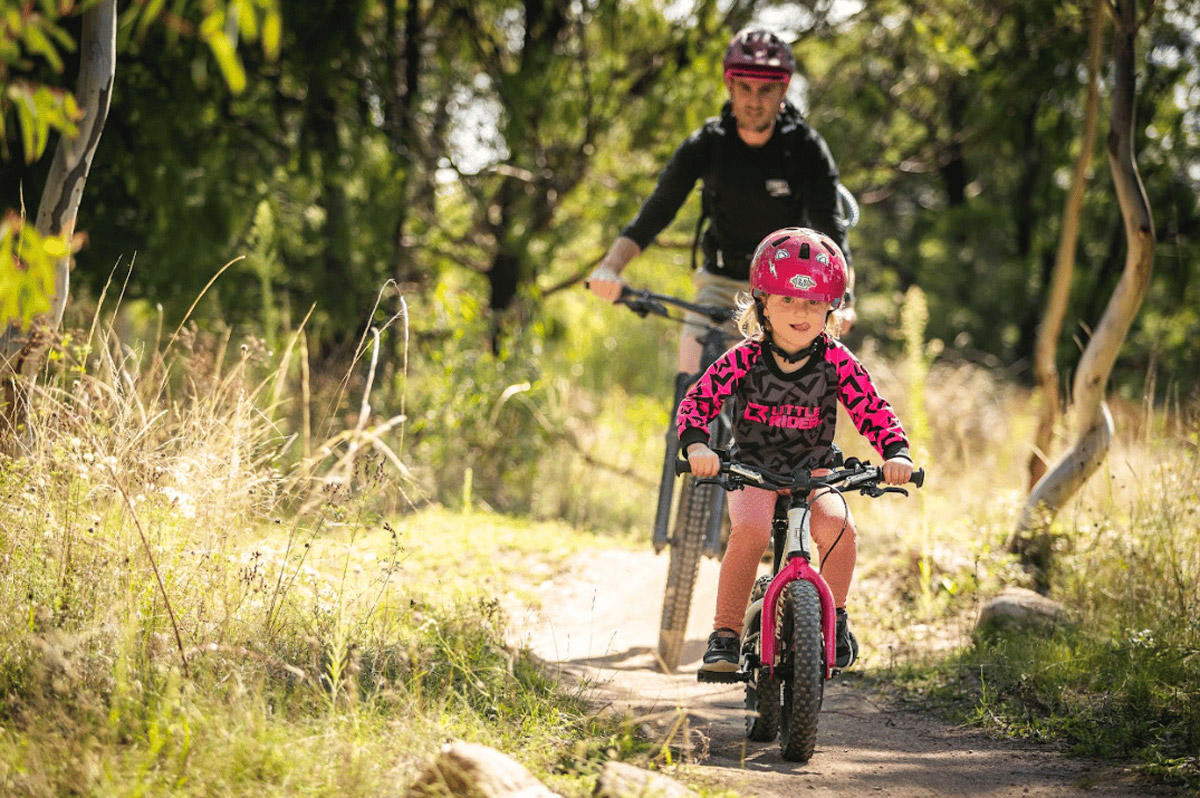
How a cheaper first bike can put a child off
It’s a familiar argument: they’re only starting out, so there’s no need to spend much. If they enjoy cycling, we’ll buy something better later. We understand the reasoning; we hear it often in the shop.
There’s a catch, though. Differences between children’s bikes can be substantial. The key isn’t the price tag or brand, but how the bike behaves when ridden. Some are harder to get moving, lose momentum more quickly, handle awkwardly or create more resistance.
From the shop floor
Often, the problem isn’t the child or cycling itself. The bike is simply making the job harder. Riding then feels like a struggle, and enthusiasm fades before it has a chance to grow.
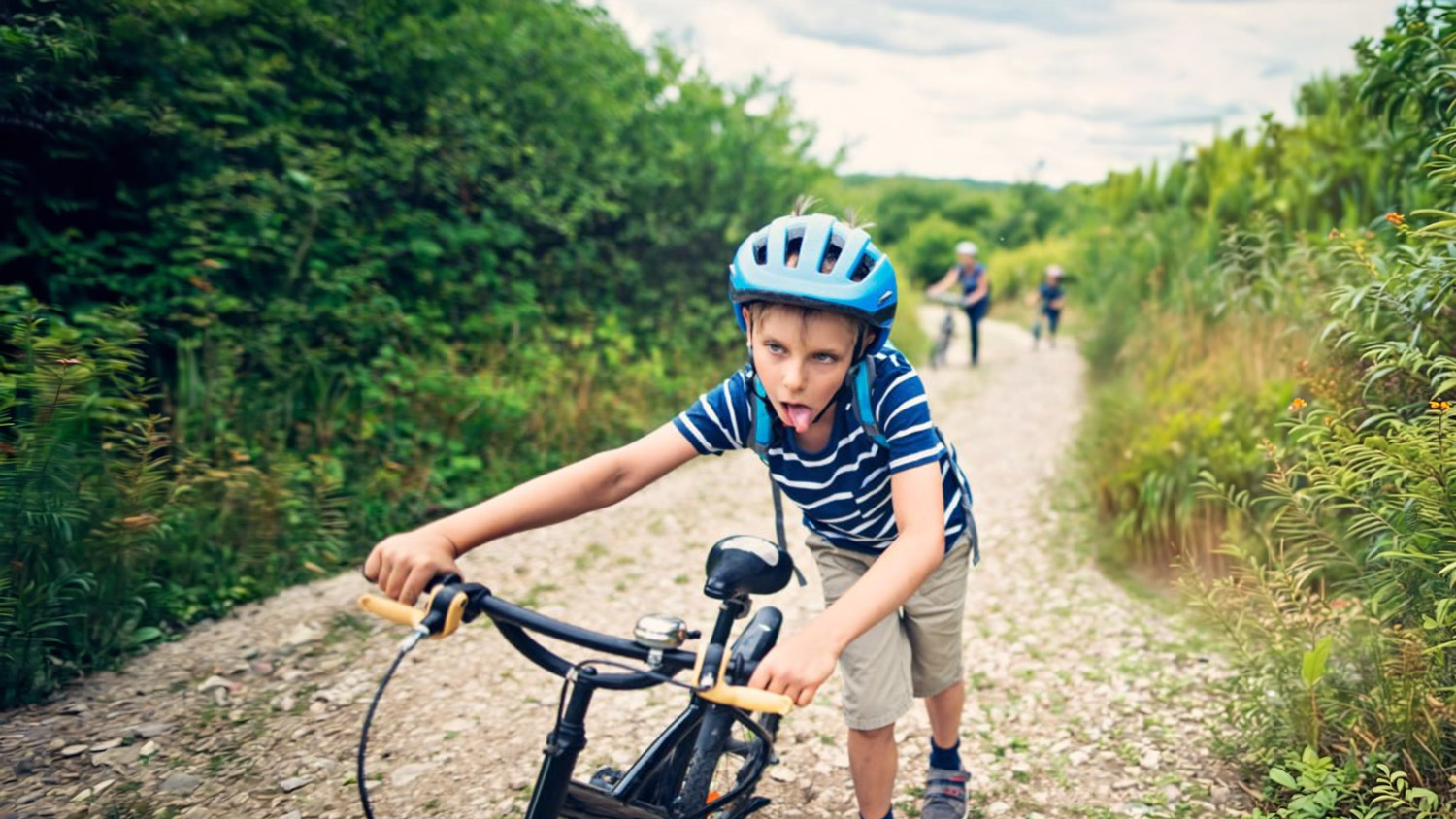
Where a better bike makes the earliest difference
The most obvious difference is weight. Every extra kilogram means more effort when setting off, manoeuvring and riding.
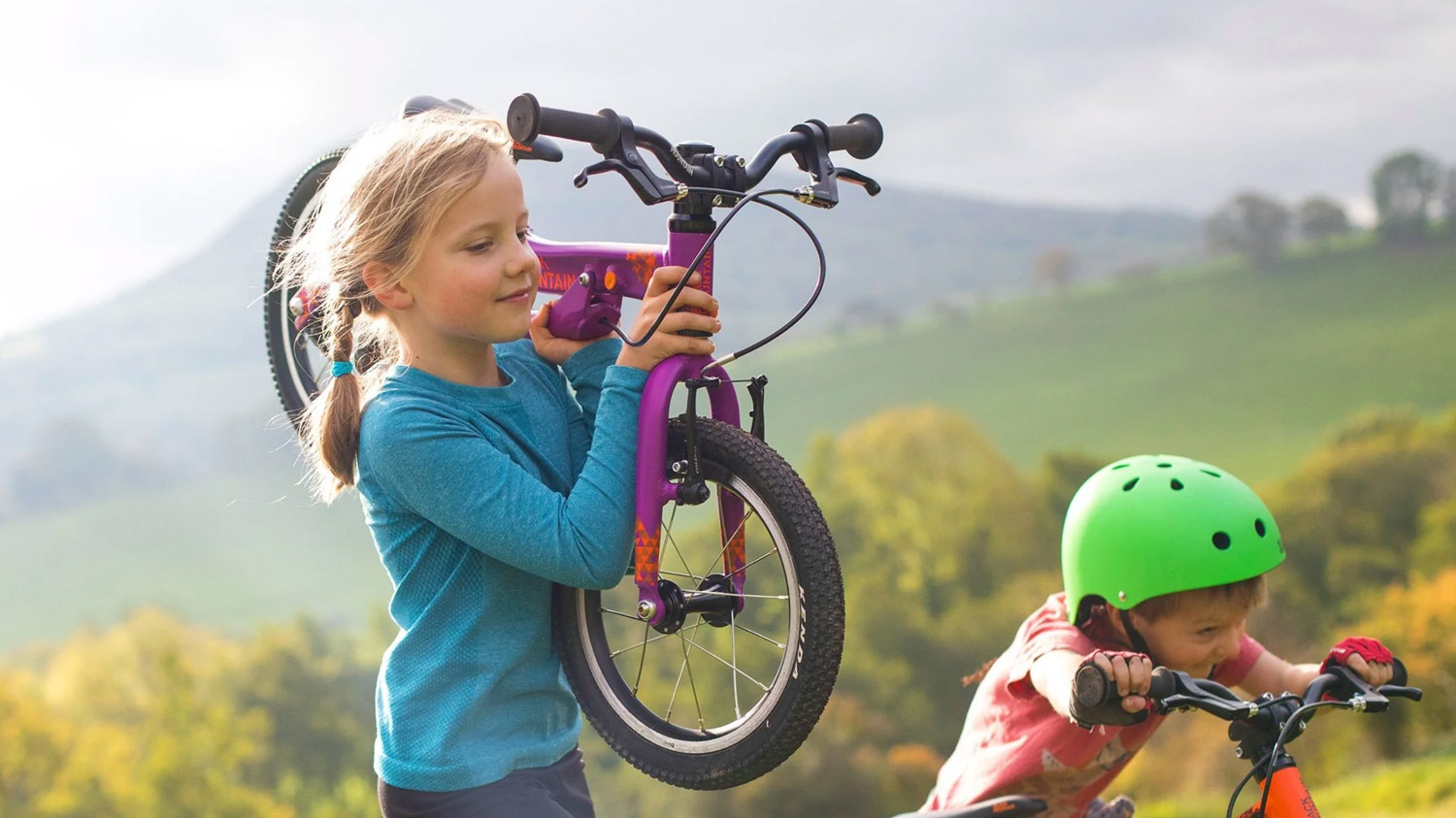
But weight isn’t the only factor. Here are five things a child will notice on every ride:
Bike geometry
A natural riding position and the right reach to the handlebars stop a bike feeling cumbersome. It becomes easier to control, helping the child build confidence sooner.
Tyre rolling resistance
Tyres that roll well make for a smoother ride. The child works less hard on flat ground and longer outings.
Hub bearings
Wheels with good-quality cartridge bearings maintain momentum better and help the bike feel easier to ride.
Gear shifting
Trigger shifters are often more precise and straightforward for children. With a twist shifter, a forceful turn can accidentally change several gears at once.
Brake levers for small hands
A small hand can’t properly reach a lever designed for adults. Short-reach levers with a light action help children brake confidently and in good time.
Suspension forks: when do they help?
Suspension may look like an advantage, but it isn’t always useful for smaller children. A suspension fork typically adds around 1.5–2 kg. Lighter children often can’t put enough weight through it to compress it properly, so much of its potential goes unused.
Rigid fork
For children riding mainly on cycle paths, roads and firm tracks, a rigid fork is often the lighter, simpler choice.
Suspension fork
Suspension helps children who ride more off-road, adding comfort and control. In practice, its full benefits tend to appear on larger bikes, often around 24" wheel size.
Practical advice on sizing
We see two opposite approaches to bike size. One is buying a bigger model to make it last as long as possible. The other is insisting that the child can comfortably reach the ground from the saddle, which can lead to buying a bike that is unnecessarily small.
Usually, the best approach lies between those extremes: a bike the child can handle well right now, allowing confidence to develop naturally.
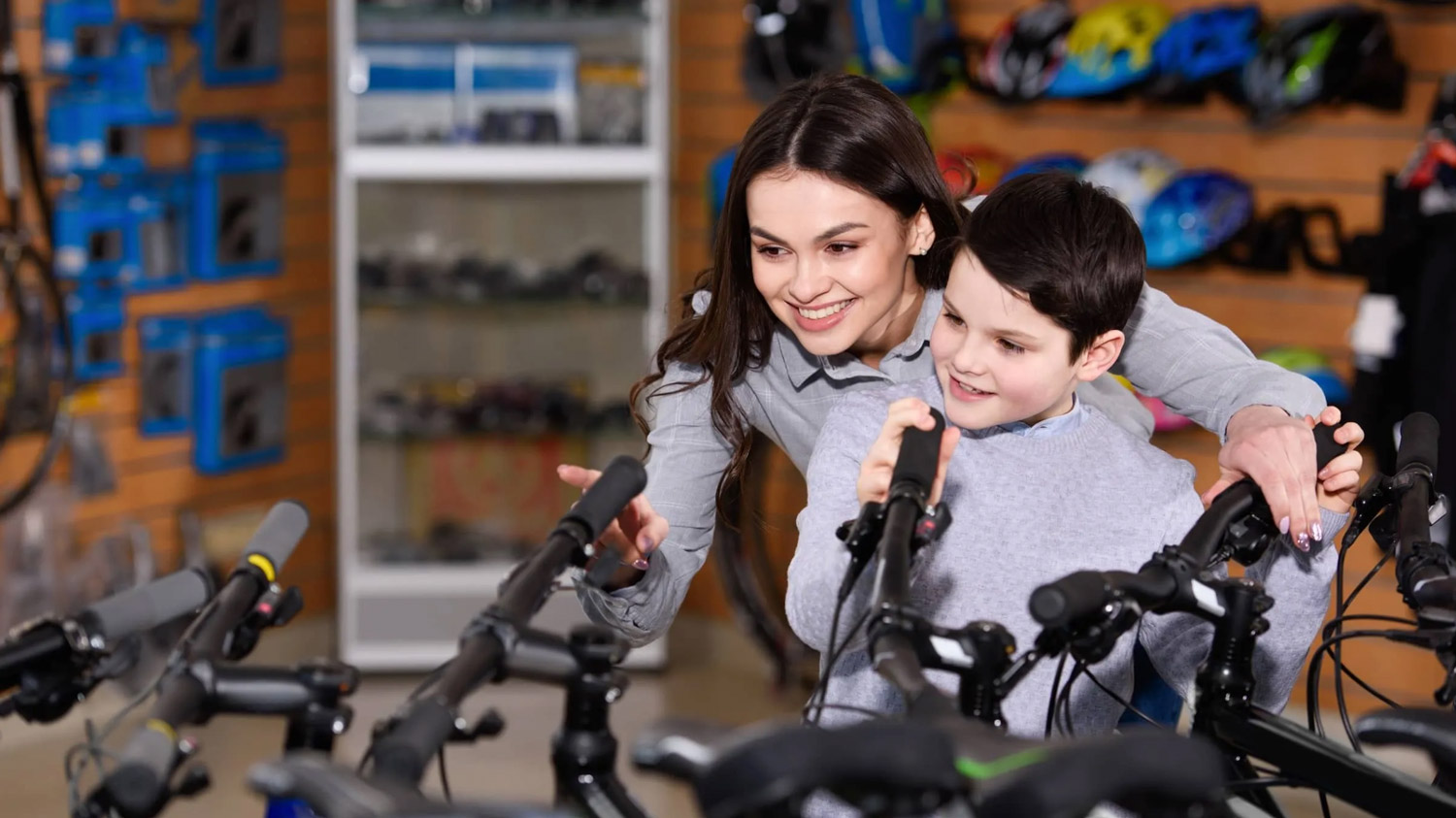
The most reliable approach: let the child actually try the bike. In our shop and test centre, they can compare several sizes side by side. The difference often becomes clear within minutes. Find us →
Saddle height: a small detail that changes the whole ride
Many people assume a child should comfortably reach the ground while sitting on the saddle. That can help confidence at the very beginning, but isn’t ideal for pedalling. At the right saddle height, the child’s knee should be slightly bent with the pedal at its lowest point. A saddle that is too low makes pedalling inefficient and tiring.
It helps to teach children to move forwards off the saddle when stopping. Setting the saddle correctly can mean a change of around 10 cm. Sometimes this reveals that a bike bought to last for years is already close to being too small.
What about stabilisers?
From our experience, we generally don’t recommend them. They delay the point at which a child learns to balance. Children pick up balance quickly, and if they’ve already ridden a balance bike, moving to pedals is often very natural.
What to look for
Choosing a child’s bike goes beyond specifications. It needs to fit, handle easily and help the child gain confidence. When a bike is light, intuitive to control and suited to the child’s build, a few minutes can be enough for them to start enjoying the ride.
For specific sizes, common mistakes and a step-by-step approach, see our buying guide.